Pastor, the money isn’t raised from the pulpit. Here’s where it actually happens.
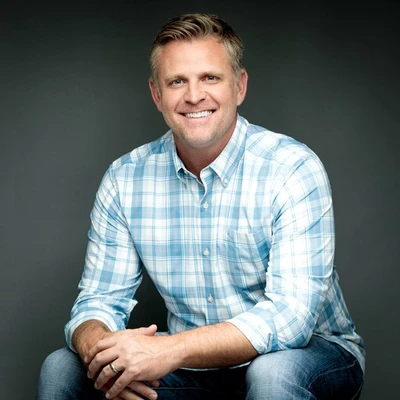
If you take one sentence from me on capital campaigns, take this one: the money is not raised from the sermon. It’s part of it, sure. But the campaigns that hit their number are won in thirty-minute meetings, face to face, weeks before commitment Sunday. If you choose not to do those meetings, I’ll say it plainly: you will not have a successful giving initiative. Here’s how to run them.
Step 1 — Get over yourself
Most pastors avoid these meetings because asking feels like asking for money for themselves. Reframe it, because that’s not what’s happening. You are not asking people for money — you are inviting them to be part of what God is doing. That’s discipleship, aimed at the thing that competes hardest for the human heart. Where your treasure is, there your heart is also — Jesus talked about money precisely because it’s a heart issue.
And calibrate your expectations like a hitter: fundraising is like batting. Three hits out of ten is a great average. You’re going to get nos. Get them, and keep swinging.
Step 2 — Build the list and block the days
Go to your finance team and ask for the list of families you need to meet with. Then open it up from the platform so nobody feels excluded: “I’m meeting with people about the campaign — if you’d like to talk, email me and our team will set it up.” I send a scheduling link by text; people grab a thirty-minute slot right from their phone.
Then block three or four straight days, morning to evening, and stack the meetings back to back. Yes, it’s brutal. It’s also the highest-leverage seventy-two hours of the entire campaign. Do this two to three weeks before your early commitment dinner, in week one of the sermon series.
Step 3 — Run the meeting: the chart, and the one ask
Walk in with a giving chart: the number and size of gifts it takes to reach the goal — so many at this level, so many at that one. Hand it to them and let them pray about where they fit. You never suggest an amount. Ever.
Because here’s the counterintuitive part — the only ask you make is this: “I’m not asking you for anything today. I’m asking you to make your commitment earlier than everybody else.” That’s it. Leadership families, staff, your advisory team, everyone you meet with: commit early. On the way out, hand them an envelope with the vision booklet and where to send the commitment, and have someone on your team own the follow-up so every one comes in before the dinner.
Step 4 — Stack the early wins into momentum
The goal is 30–40 family commitments in hand before the early commitment dinner. Now watch what that does: you open the dinner with “$5 million of the $10 million is already committed,” and the whole room feels it — there’s real buy-in here. Then the Sunday before commitment Sunday, you announce the running total to the whole church, and the temperature rises again. Buy-in breeds buy-in, but only if you did the quiet work first. The early commitments aren’t a nice-to-have; they’re the engine.
One pastoral note: if somebody leaves your church because you invited them to fulfill what God’s called you to do — they were never really with you anyway. In 25 years I’ve met very few actual givers who resented being invited to give. Don’t let noise derail obedience.
Step 5 — Watch me walk the whole thing, free
The meetings sit inside a six-month playbook — campaign teams, the dinner, the mailing, commitment Sunday, celebration Sunday. I teach all of it in the free Capital Campaign webinar: 53 minutes with chapter-by-chapter notes, timestamps, and an at-a-glance timeline.
Sign up once and watch instantly — including the giving chart walkthrough and the Q&A with churches running their first campaign.
Block the days. Bring the chart. Make the early ask. The pulpit casts the vision — but the table across from a praying family is where the vision gets funded.
— The vision God gave you deserves funding.
Momentum
The operating system behind Hope City — strategic clarity, annual priorities, 90-day ITAs, lead measures, and the weekly execution rhythm that turns vision into what actually happens.
 ▶
▶+ 4 more sessions — all free
Get the free course
Instant access — every lesson, free forever. No card, no catch.

“If you’re a pastor, you need to know about PastorCenter.”
Josh Howerton · Lead Pastor, Lakepointe Church