Pastor, I stopped spending 10 hours in commentaries. Here’s my 4-step study system.

Let me say something that might sting: for a lot of us, ten hours in the commentaries isn’t faithfulness — it’s procrastination with a clean conscience. Reading feels like working, so we read instead of deciding. The system below is how I broke that cycle. Same depth, half the week, and the sermon gets written on Wednesday instead of Saturday night.
Step 1 — Monday: the text alone, 30 minutes
No commentaries. No tabs. Just the passage, a notebook, and half an hour. Read it three times. Write down every observation and — more important — every question: Why this word? Why here? What’s the tension? What would my people misunderstand?
This half hour is the highest-leverage block of your entire prep week, because everything after it is either aimed by your questions or aimless without them.
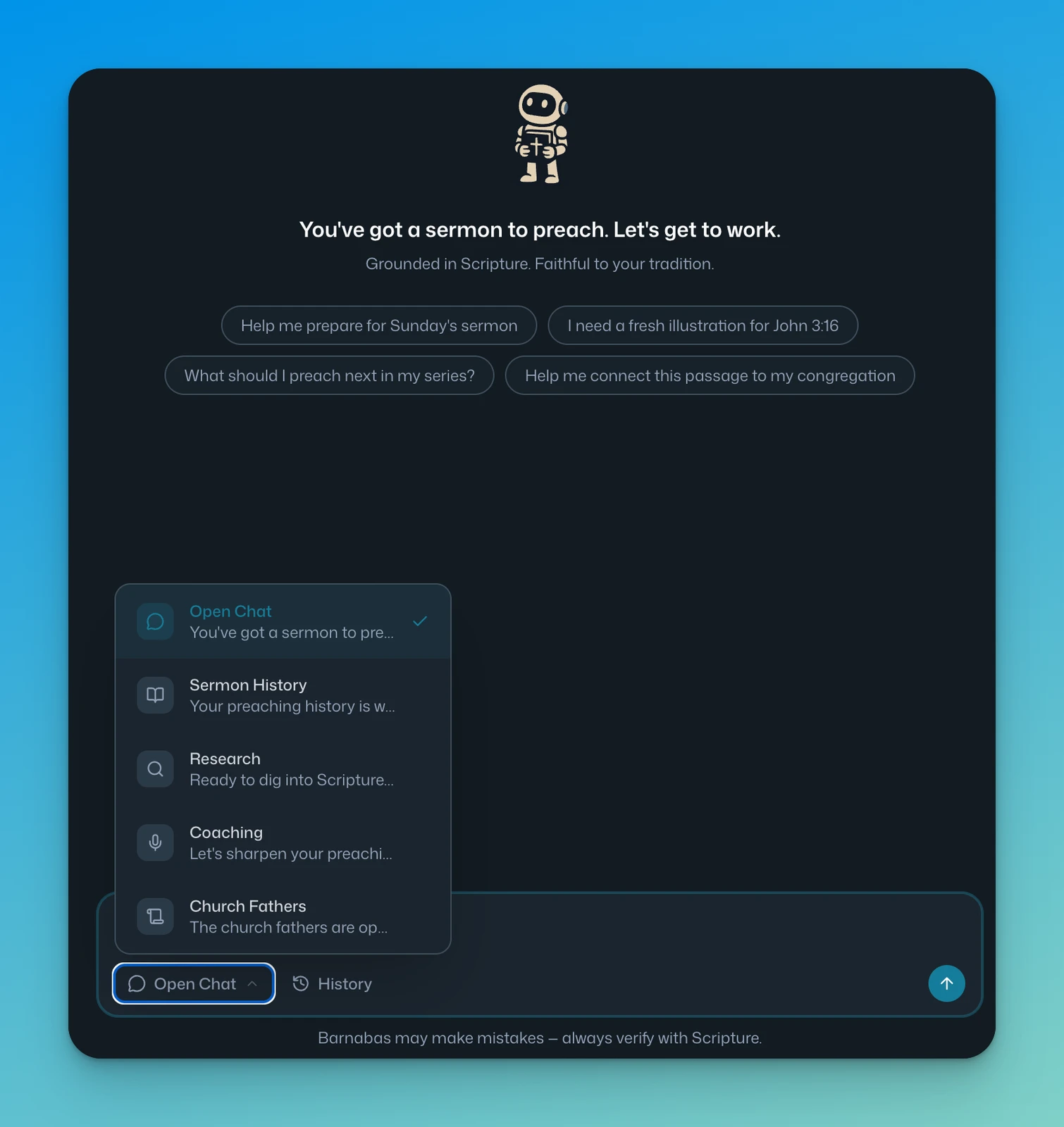
Before I close the notebook, one more Monday move: I ask My Library what I’ve already said on this text. Pastor Center ingested every sermon I’ve written or preached — every story, illustration, and quote, indexed — so “what have I said about grace in the last five years?” is a ten-second question instead of an afternoon in old files.
Step 2 — Turn observations into questions before you read anything
Here’s the mechanism most pastors miss: commentaries answer questions fast and browse slow. Walk into a commentary asking “does ‘works’ in verse 8 mean Torah observance or moral effort?” and you’ll have an answer in minutes. Walk in asking “what should I preach?” and you’ll surface three hours later with forty quotes and no sermon.
So before you open a single book, turn Monday’s notes into a written question list. Five to ten specific questions. That list is your study plan.
Step 3 — Read for verdicts, not chapters
Now open the commentaries — but you’re not reading them, you’re querying them. Take question one, check what your three or four trusted sources say, write down the verdict, move on. Where they agree, you’re done. Where they split, mark it — that’s either a place to study deeper or a place to be honest about the debate.
Chapters are for seminary. Verdicts are for Sunday.
Step 4 — Stop at “faithful,” start writing
Research has one job: to make sure what you preach is true to the text. The moment your questions are answered, research is finished — even if the stack of unread books is still tall. I give myself a hard deadline: by Wednesday noon, the study closes and the writing opens. The deadline isn’t a constraint on depth. It’s what protects the crafting, rehearsing, and praying that actually turn research into a sermon.
Step 5 — Hand the question list to the research engine
These days my step 2 question list doesn’t get walked through commentaries by hand. The Sermons module runs the whole passage through 23 research agents — context, word studies, cross-references, commentary synthesis — and returns one cited brief that answers most of my list before I open a book. I still do Monday’s 30 minutes myself. That part is between me, the text, and the Holy Spirit. The gathering is what I handed off.
Book a 20-minute demo and name your passage — the team will run the full research report and send it to you free. Compare it against your own study and see what it would save you.
Text first. Questions second. Verdicts third. Deadline fourth. That’s the whole system — and it gave me back two days a week I now spend on the parts of the sermon only a pastor can do.
— Your next sermon’s research is already done.
Preaching Masterclass
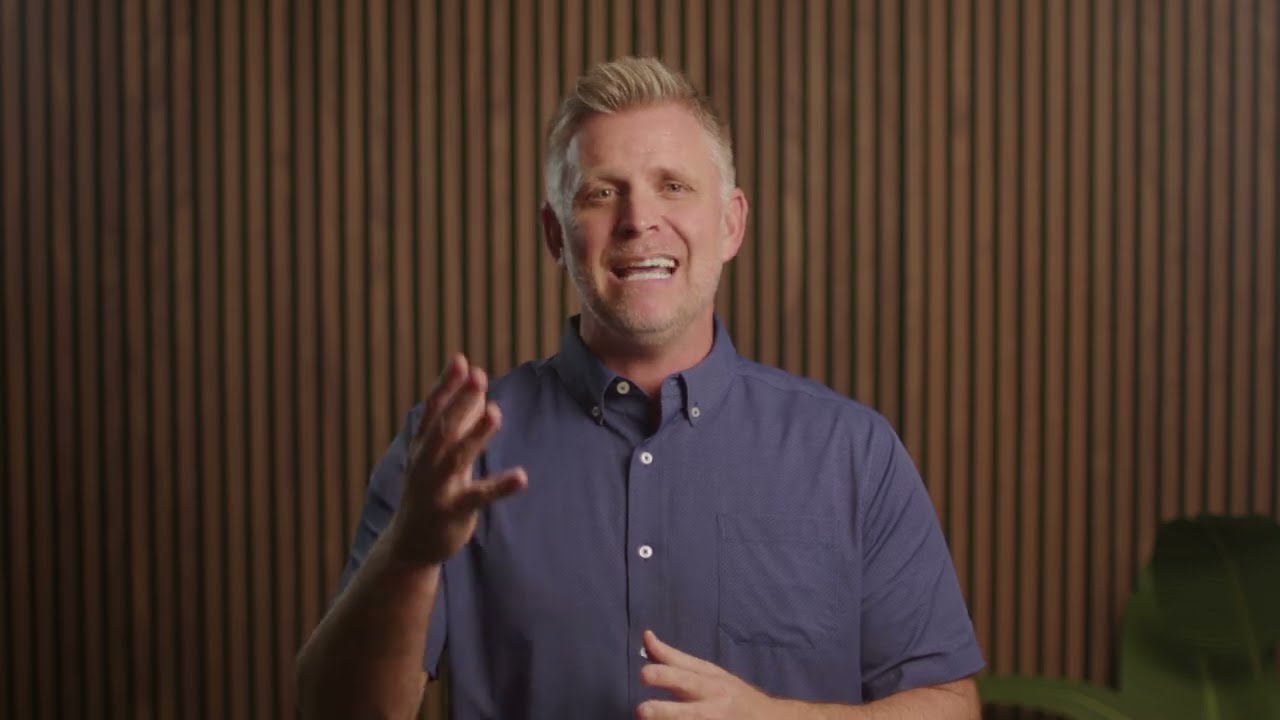
Eric’s complete preaching framework — faithful exegesis, structure that achieves the goal, stories that stick, and endings that land on the gospel.
 ▶
▶+ 9 more sessions — all free
Get the free course
Instant access — every lesson, free forever. No card, no catch.

“If you’re a pastor, you need to know about PastorCenter.”
Josh Howerton · Lead Pastor, Lakepointe Church