Pastor, here’s how I go deeper in the text — in half the time.

Somewhere along the way we started measuring sermon depth in hours spent, like depth was a timesheet. It isn’t. I’ve heard shallow sermons that took twenty hours and profound ones that took six — because depth is a function of what you do, not how long you do it. Here’s how I got deeper in the text while cutting my study time roughly in half.
Step 1 — Define what “deep” actually means
A deep sermon does three things: it gets the original meaning right, it honors the context the passage lives in, and it lands on the text’s own emphasis — not the preacher’s favorite hobby horse wearing the text as a costume.
Notice what’s not on that list: the number of commentaries consulted, the number of quotes deployed, the number of Greek words pronounced from the stage. Congregations don’t experience your bibliography. They experience whether the text actually spoke.
Step 2 — Cut the fake-depth work
Audit an honest week of your prep and you’ll find hours that feel scholarly but add nothing:
- The sixth commentary that agrees with the first five. Consensus was established two books ago. You’re not studying anymore; you’re collecting.
- The illustration safari. Two hours hunting the internet for a story is not exegesis. It’s browsing with a sermon open.
- Re-reading what you already believe. Checking a trusted author to confirm what you concluded an hour ago is comfort, not research.
Cutting those three alone gave me back four to five hours a week. Nothing of value was lost — because none of it was producing depth in the first place.
Step 3 — Reinvest in the two things only a pastor can do
Here’s where the saved hours go, and this is where the sermon actually gets deep:
Meditation. Unhurried time praying the text, letting it read you before you preach it at anyone else. The sermons my church still talks about years later all came out of hours like these — never out of a commentary.
Application to your actual people. Not “people in general.” The single mom in row three. The deacon whose business is failing. The college kid who’s one more hard question from walking away. No book can do this work, because no book knows your room.
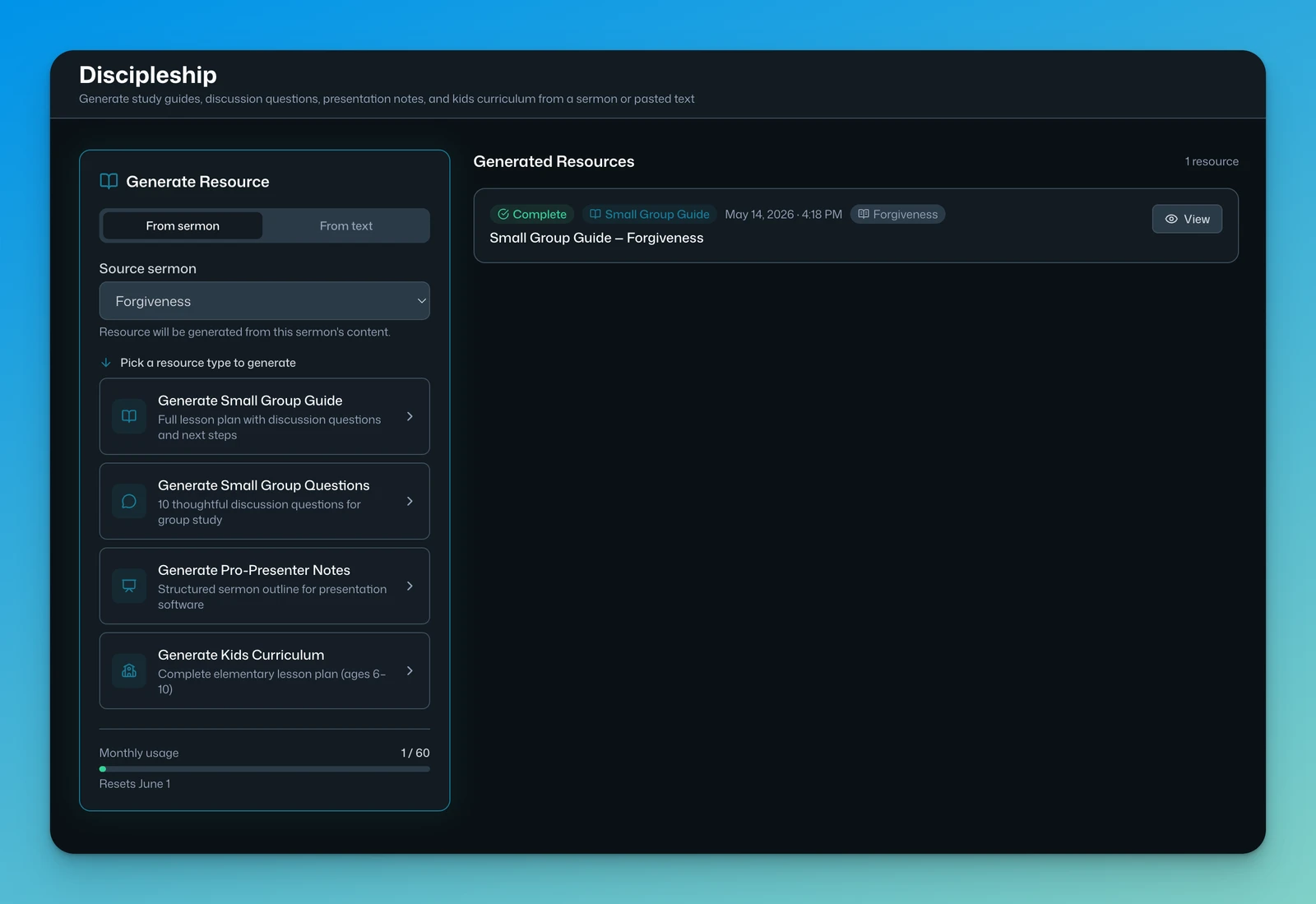
And once you’ve done that application work, don’t let it die at noon on Sunday. One click in Pastor Center’s Discipleship tools turns the finished sermon into small group guides, discussion questions, and devotionals — so what you aimed at your actual people keeps working in their living rooms all week.
Step 4 — Let the tools gather so you can judge
The pastor’s irreplaceable job in study is judgment — weighing interpretations, discerning emphasis, deciding what this text demands of this church this Sunday. The gathering that feeds those judgments — context, word studies, cross-references, what the commentators say — is exactly the work that can be handed off without handing off an ounce of faithfulness.
That’s how I use the Sermons module: it runs the full research stack on my passage and returns a cited brief in minutes. I spend my time judging the evidence instead of hauling it.
Book a 20-minute demo, tell the team what you’re preaching, and they’ll send you the full research report at no cost. Then spend the hours it saves you on your knees with the text — that trade is the whole point.
Deeper isn’t longer. Deeper is truer meaning, honored context, the text’s own emphasis — prayed over, and aimed at your actual people. Cut the fake depth. Fund the real thing.
— Your next sermon’s research is already done.
Preaching Masterclass
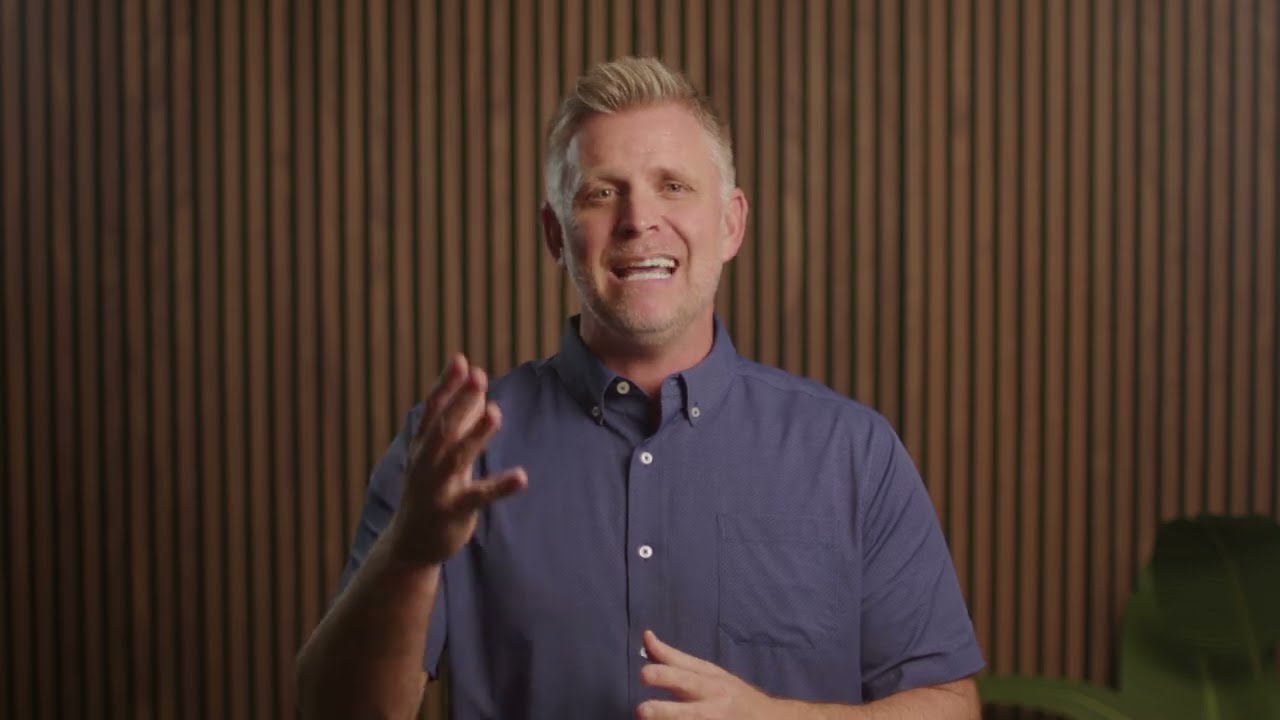
Eric’s complete preaching framework — faithful exegesis, structure that achieves the goal, stories that stick, and endings that land on the gospel.
 ▶
▶+ 9 more sessions — all free
Get the free course
Instant access — every lesson, free forever. No card, no catch.

“If you’re a pastor, you need to know about PastorCenter.”
Josh Howerton · Lead Pastor, Lakepointe Church